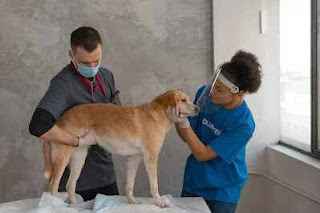
1. the types of coughs that dogs can get There are many different types of coughs that dogs can get, and it's important to be aware of them, so you can treat and prevent them effectively. Some of the most common types of coughs include Kennel Cough, Reverse Sneezing, Tracheal Collapse, and Allergic Bronchitis. Kennel cough is a highly contagious respiratory infection that is caused by bacteria or viruses, and it can be deadly if left untreated. Reverse sneezing is a harmless condition that is caused by allergies or excitement, and it doesn't require treatment. Tracheal Collapse is a serious condition that can be fatal if not treated immediately, and Allergic Bronchitis is a chronic condition that requires lifelong management. If you think your dog may have any of these types of coughs, it's important to see a vet as soon as possible so they can diagnose and treat the problem. There are two primary types of coughs that dogs can get: dry coughs and wet coughs. Dry coughs usually occur when your dog is suffering from respiratory infections or irritants like dust, pollen, molds, and smoke. These types of coughs often sound dry and hacking. Wet coughs are usually caused by health conditions like pneumonia or canine distemper virus. These types of coughs sound moist and productive, producing mucus or a rattling sound in the chest.
No matter what type of cough your dog has, it’s important to consult your veterinarian, so they can properly diagnose and treat the underlying cause. Depending on the severity of the condition, your vet may prescribe medications to alleviate coughing symptoms, such as antibiotics for bacterial infections or antihistamines for allergies. In some cases, surgery may be necessary to remove any obstructions in the airways or lungs.
In addition to seeking medical treatment, there are other steps you can take to keep your dog healthy and prevent coughing episodes. It’s important to keep up with regular vaccinations so that your pup is protected against contagious illnesses like distemper virus, us, which can cause coughing fits. Additionally, make sure that your pet is getting plenty of exercise since physical activity helps to support a strong immune system, which can help ward off diseases that might lead to coughing episodes. Finally, try to keep your pup away from exposure to irritants such as cigarette smoke or pollen if possible, since these substances can aggravate existing respiratory conditions and trigger coughing fits. There are many different types of coughs that dogs can get, and it's important to be able to identify them, so you can provide the best possible treatment. Dogs can get dry coughs, wet coughs, Kennel Cough, Bordetella, and more. Some of these are minor and will go away on their own, but others can be serious and require medical attention.
Dry coughs are the most common type of cough in dogs, and are usually caused by allergies or environmental irritants. Wet coughs, on the other hand, are usually caused by viruses or bacteria and can lead to pneumonia if left untreated. Kennel cough is a highly contagious respiratory disease that is often seen in dogs who spend time in kennels or shelters - it's important to get your dog vaccinated against this if they will be around other dogs frequently. Bordetella is another respiratory disease that is similar to Kennel Cough, but not as severe.
If your dog has a cough, it's important to take them to the vet, so they can determine the cause and provide appropriate treatment. In some cases, cough medicine may be prescribed; for Kennel Cough or Bordetella, antibiotics may be necessary. With proper treatment, most dogs will recover quickly from their coughing spells. Coughs are often a symptom of something going on in the body, and dogs can get them just like humans can. There are a few different types of coughs that dogs can have, and each one can indicate a different problem. If your dog is coughing, it's important to take them to the vet to get diagnosed and treated. The sooner you start treatment, the better chance your dog has of getting better.
2. how to tell if your dog has a cold or something There are three main types of coughs that dogs can get: Kennel cough, Bordetella, and Para influenza. Kennel cough is the most common type of cough that dogs get, and is caused by a virus. Bordetella is another common type of cough that dogs can get, and is caused by bacteria. Para influenza is the least common type of cough that dogs can get, and is caused by a virus.g more serious
3. ways to treat a dog's cough Depending on the type of cough your dog has, treatment will vary. Generally speaking, if your dog has a mild cough, there are several things you can do to help. First, make sure they are getting plenty of rest and many fluids. You can also give them over-the-counter medication such as Benadryl or Robitussin (with permission from your vet). If the cough is more serious and persistent, then it’s likely that antibiotics will be necessary. If this is the case, take your dog to the vet as soon as possible so that they can be properly diagnosed and receive the right treatment. 4. preventative measures Even if your dog doesn’t currently have a cold or cough, there are some preventative measures you can take to reduce their chances of getting one. Make sure that they’re up-to-date on all their vaccinations, as this will help protect them against certain viruses and bacteria that can cause colds and coughs in dogs. Additionally, keeping them away from other sick animals will help reduce their risk as well. Finally, be sure that they are in a clean environment with good air quality – this will help keep their immune system strong and reduce their chances of getting sick in general. At home
4. when to see the vet for a dog's cold or cough
The last thing any pet owner wants to hear is that their beloved canine companion has a cold or a cough. In most cases, the best course of action for your pup’s health and wellbeing is to seek medical attention from your trusted veterinarian right away. Colds and coughs in dogs can often be managed with antibiotics and other treatments; however, if left untreated they may lead to more serious conditions such as pneumonia or bronchitis – both of which have notably worse outcomes than if caught early on. It's important not only for the safety of your dog but also because these diseases are highly contagious - meaning it could spread among other animals in proximity easily - so getting them seen by a vet quickly might save others too! Cough
5. preventative measures Other than seeking medical attention, there are some preventative measures you can take to help your dog avoid getting a cold or cough in the first place. Here are some helpful tips:
• Ensure your pup is up-to-date with their vaccinations.
• Feed them a balanced and nutritious diet.
• Monitor their activity levels and ensure they’re not overdoing it.
• Make sure they’re sleeping enough - dogs need 12-14 hours of sleep per day.
• Keep them away from other animals who may be carrying colds, especially if they’re young or have weakened immune systems.
• Keep their living environment clean and free of dust, dirt, and allergens that can irritate their nose and throat.
• Make sure their bedding is washed often and kept dry and warm. You can take to keep your dog from getting sick